

Smart Discovery Store
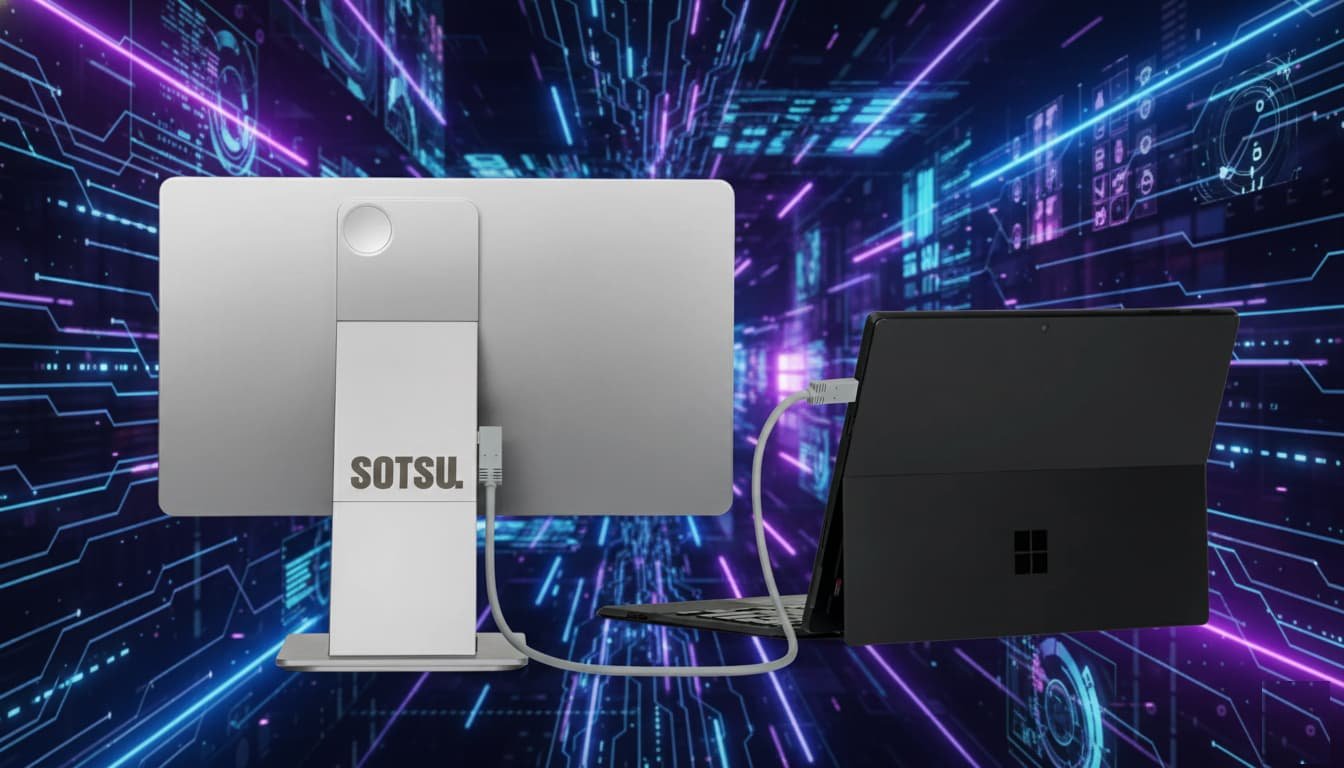
Satu Flip Action Portable Monitor : A Premium Companion for iPadOS 26 and Modern Mobile Setups
The release of iPadOS 26 brought full external display support across the entire iPad lineup, and M-series iPads gained true extended monitor functionality with floating windows, scalable workspaces, and desktop-style multitasking. This shift has pushed portable monitors into a new category of productivity tools. Among them, the Satu Flip Action Series stands out as one of the most refined and capable options available. Its modular design, premium materials, and laptop-class build quality position it as a high-end companion for iPads, MacBooks, and compact desktop systems like the Mac mini.
The Flip Action lineup includes three models: the Flip Action Pro (Gen 1), the updated Flip Action Gen 2, and the flagship Flip Action Elite. All share the same structural design, magnetic system, and hinge mechanisms, while stepping up in brightness, refresh rate, and resolution. The model tested here is the Gen 1 Pro, which has remained durable and consistent after a year of daily use.
Modular Two-Piece Design With Magnetic Assembly
One of the defining strengths of the Flip Action monitors is their modular design. Each unit ships in a two-piece system: the ultra-thin 16-inch display and a removable magnetic stand that attaches to the rear panel. The magnets allow quick transitions between folded travel mode and full desktop configuration. Setup involves opening the stand, attaching it to the monitor, and connecting a single USB-C cable that handles both power and display output.
The exterior uses anodized aluminum, giving the device a polished aesthetic similar to modern Apple hardware. The overall thickness is roughly 0.5 inches, and the monitor weighs just under 2 pounds, with the stand adding another 435 grams. The entire package fits easily into a standard 16-inch laptop sleeve, emphasizing portability without sacrificing material quality. Despite its size, the monitor feels dense, rigid, and purposefully engineered.
Advanced Hinge System for Dual-Orientation Flexibility
A dual-hinge mechanism allows a wide range of viewing angles that mimic the versatility of Apple’s Magic Keyboard design. The lower hinge adjusts height and depth, letting the display sit above a MacBook screen for ergonomic stacking. The upper hinge then tilts or brings the panel forward for precise positioning. This layered articulation makes the display suitable for coffee shops, co-working spaces, or multi-monitor desk layouts.
An integrated 360-degree swivel system transforms the monitor into either left- or right-aligned portrait mode. A built-in accelerometer automatically rotates the image when switching between orientations, ensuring clean transitions on macOS and iPadOS. For extended vertical workflows — coding, timelines, documents, or chat monitoring — this rotation feature is one of the Flip Action’s strongest advantages.
Display Quality and Performance Across the Lineup
While pricing varies across the three models, all versions maintain a consistent 16-inch form factor. The Gen 1 unit delivers a 2560×1600 resolution at a 16:10 aspect ratio, 350 nits of brightness, full DCI-P3 color coverage, and a 1200:1 contrast ratio. Even with a measured brightness of 350 nits, the panel appears brighter in real-world use compared to some higher-rated desktop monitors, and its color accuracy remains strong across productivity and media tasks.
The Gen 2 version upgrades the refresh rate to 120 Hz and boosts brightness and contrast, making it a better fit for gaming or highly responsive workflows. The Elite model introduces a full 4K panel with 450 nits of brightness. All three maintain the same chassis and hinge design, meaning users choose their model based largely on refresh rate, resolution, and budget.
Seamless Single-Cable Connectivity for iPads and Macs
The monitor operates through a simple USB-C connection that provides both display signal and power. When connected to an iPad Pro, the Flip Action powers on instantly and requires no additional setup or dongles. macOS support is equally fluid, and the monitor works well as a secondary vertical screen beside a main 5K or 4K display.
Power draw remains low at around 9.5 watts. A secondary USB-C port supports power-pass-through charging, allowing the host device to remain powered while using the monitor. Additional ports include a mini HDMI input and a built-in SD card reader, expanding workflow flexibility when connecting cameras, storage devices, or non-USB-C computers.
Real-World Usability and Monitor Behavior in Extended Workflows
In practice, the Flip Action excels in scenarios that demand portability and rapid setup. With iPadOS 26’s extended display mode, floating windows scale beautifully across this panel regardless of resolution. The monitor works equally well beside a MacBook Air, MacBook Pro, or Mac mini, serving as a dedicated vertical workspace for reference windows, timelines, or communication apps.
The lightweight design does introduce some trade-offs. The magnetic attachment strength of the Gen 1 model can occasionally slip when handled loosely, allowing the stand to detach unexpectedly during transport. The hinge system, while capable, has moments of shake when touched or repositioned, though it remains stable once set on a desk. These issues are reportedly improved in newer models.
Build Quality Considerations and Minor Limitations
The Gen 1 version would benefit from stronger magnet retention when folded and a secondary data-capable USB-C port, particularly for iPad workflows where external storage and SD card access often occur simultaneously. The hinge stiffness also occupies a middle ground between portability and rigidity; it is lightweight enough for travel but not as firm as heavier desktop mounts.
These limitations do not hinder day-to-day use but are noticeable when adjusting the screen or repositioning it frequently. For users who interact with their display often, the Gen 2 and Elite models offer refinements that address some of these earlier compromises.
Pricing and Model Breakdown
The Flip Action lineup sits in a premium price tier, reflecting its materials, engineering, and flexibility. Pricing varies based on the display panel:
- Flip Action Pro Gen 1: $499 (or $549 for the Arctic Blue finish)
- Flip Action Gen 2: $599, offering 120 Hz refresh and improved brightness
- Flip Action Elite: Higher pricing with a full 4K panel, 450 nits, and the same modular design
Users ultimately pay for build quality, modularity, and the adjustable hinge system rather than raw display brightness alone. Competing portable monitors at $50–$150 offer basic functionality but lack metal construction, stability, color accuracy, and ergonomic adjustability.
The Gen 1 model remains an excellent value for those satisfied with 60 Hz and QHD resolution. The Gen 2 is the best all-rounder for most users, especially for gaming or animation workflows. The Elite appeals to users who require 4K detail in a fully portable form factor.
A Top-Tier Portable Monitor for Modern Mobile Workflows
The Satu Flip Action Series stands out as one of the most thoughtfully designed portable monitors available. Its premium aluminum build, dual-hinge architecture, rotating orientation system, and USB-C single-cable experience combine to create a monitor that feels intentionally engineered for today’s mobile work culture. Whether paired with an iPad Pro running iPadOS 26, a MacBook, or a compact desktop setup, it offers flexibility and refinement at a level rarely seen in this category.
While the price is undeniably higher than budget alternatives, the investment delivers advantages in ergonomics, display quality, engineering, and long-term durability. For users who rely heavily on extended workspaces, portable dual-screen setups, or modular travel-ready equipment, the Satu Flip Action monitor ranks among the strongest choices in the market today.